

Who we are & the work we love
Neuropsychological Evaluations
Our evaluations cover a variety of developmental domains, including cognitive, language, social, emotional, attention, motor, learning, memory, and executive functioning abilities. The specific areas assessed will be tailored to the individual's needs. We see ages 1-22 (toddlers through college students).
We can answer a variety of questions and provide diagnostic clarity. This option is appropriate for questions related to autism, AD/HD, learning disabilities (e.g., dyslexia), medical history that impacts development, and mental health (e.g., anxiety, mood, OCD, emotional regulation).
-
A 2-session evaluation is standard and scheduled in most cases. This includes interview with parents/caregivers, 2 testing sessions with your child, a parent feedback, and child feedback.
Cost: $3290
-
Re-evaluations with children who completed a broad evaluation within the last 2 years** (with us, in school, or through another clinic). In these cases, less direct testing is needed because not all previous testing needs repeating.
We will schedule a 1-session evaluation, which includes parent/caregiver interview, 1 testing session with your child, parent feedback, and child feedback.
Cost: $2350
**Your psychologist will review the previous evaluation after you are scheduled and will confirm if 1 or 2 sessions are needed. Given the broad range of evaluation types and quality, 2 sessions might be required even if recent testing has been completed.
-
You get 2 experts to better understand your child! Beginning January 2026, Dr. Megan Helmen will collaborate with Early Childhood Specialist, Rachel Boettcher to provide 1-session evaluations with children 5 & under (not yet in kindergarten). Dr. Helmen will complete parent appointments and Rachel will provide test administration and a bonus parent education session.
We will schedule a 1-session evaluation, which includes parent/caregiver interview, 1 testing session with your child, parent feedback, and a bonus parent education session with Rachel Boettcher.
Cost: $2350
-
If you need a diagnostic evaluation that includes a diagnostic interview, cognitive (IQ) testing, and adaptive testing to initiate or maintain your child’s disability status with the state, schedule a 1-session evaluation.
We will schedule a 1-session evaluation, which includes parent/caregiver interview, 1 testing session with your child, parent feedback, and child feedback.
Cost: $2350
-
This evaluation process is intended to provide information about a child’s level of cognitive functioning when giftedness is suspected. This evaluation can be used as part of admission requirements for certain educational programs. A brief intake, testing, and feedback are completed in one 2.5-hour appointment. We provide a report that summarizes the results.
Cost: $595
-
![]()
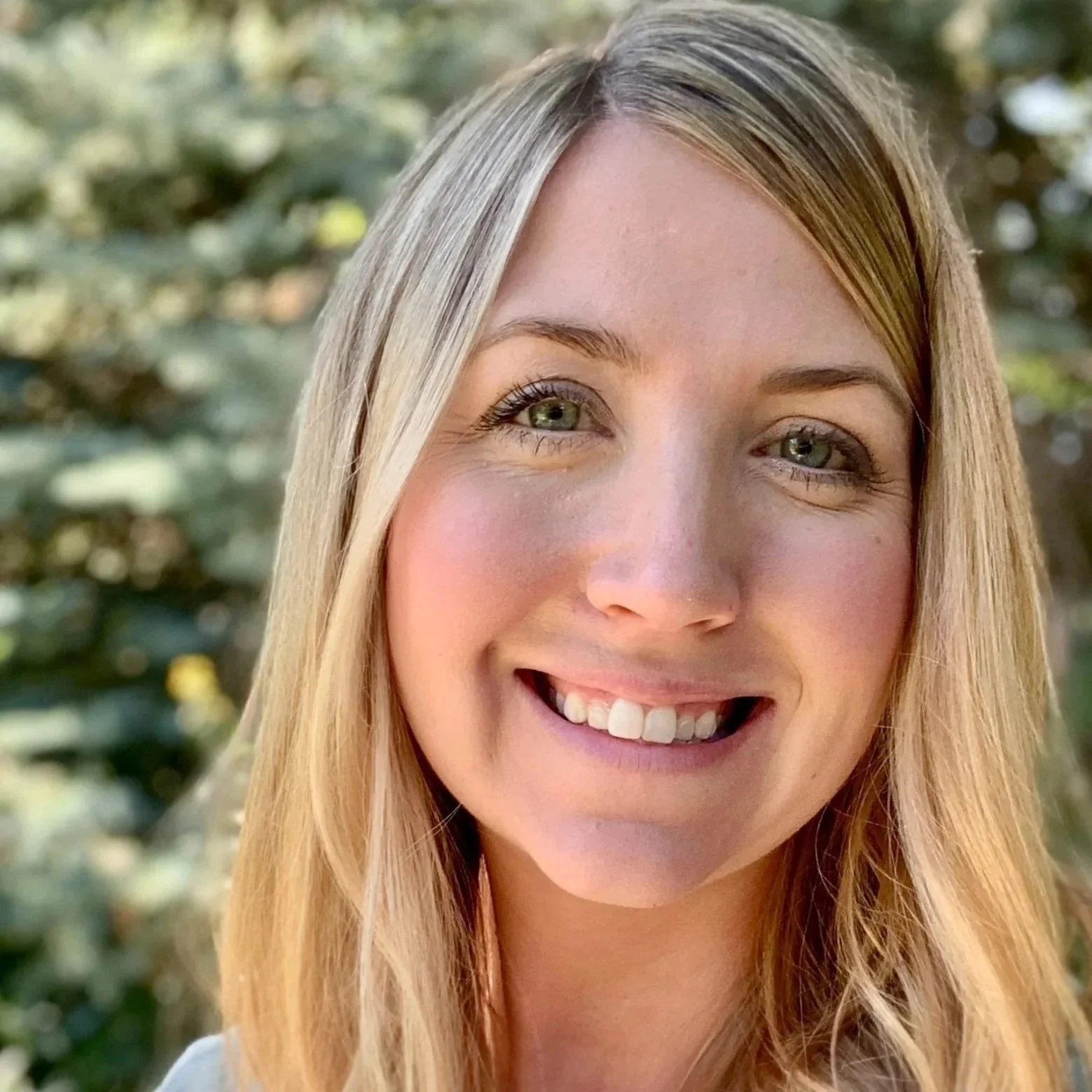
Dr. Megan Helmen
FOUNDER, CLINICAL PSYCHOLOGIST
-
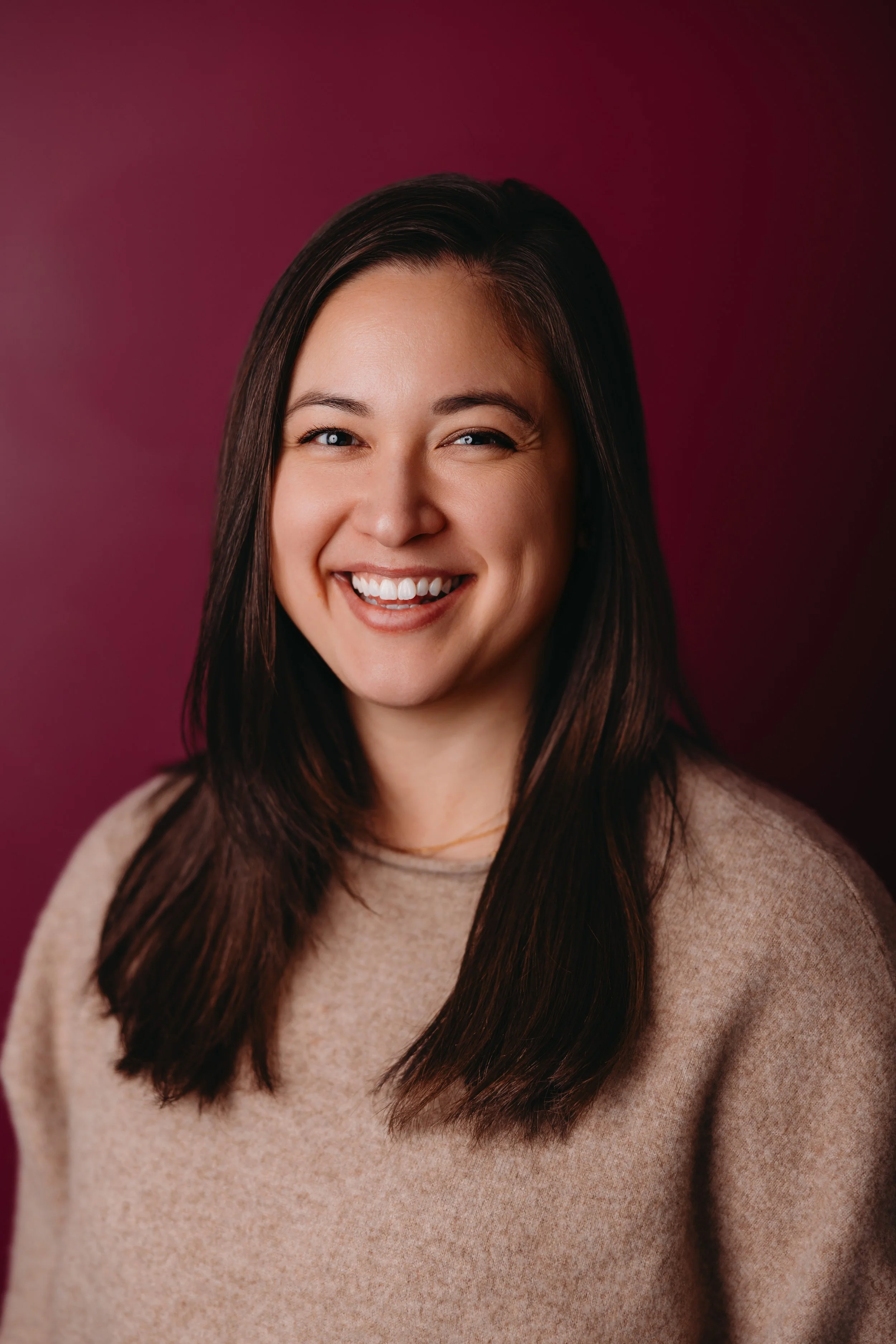
![]()
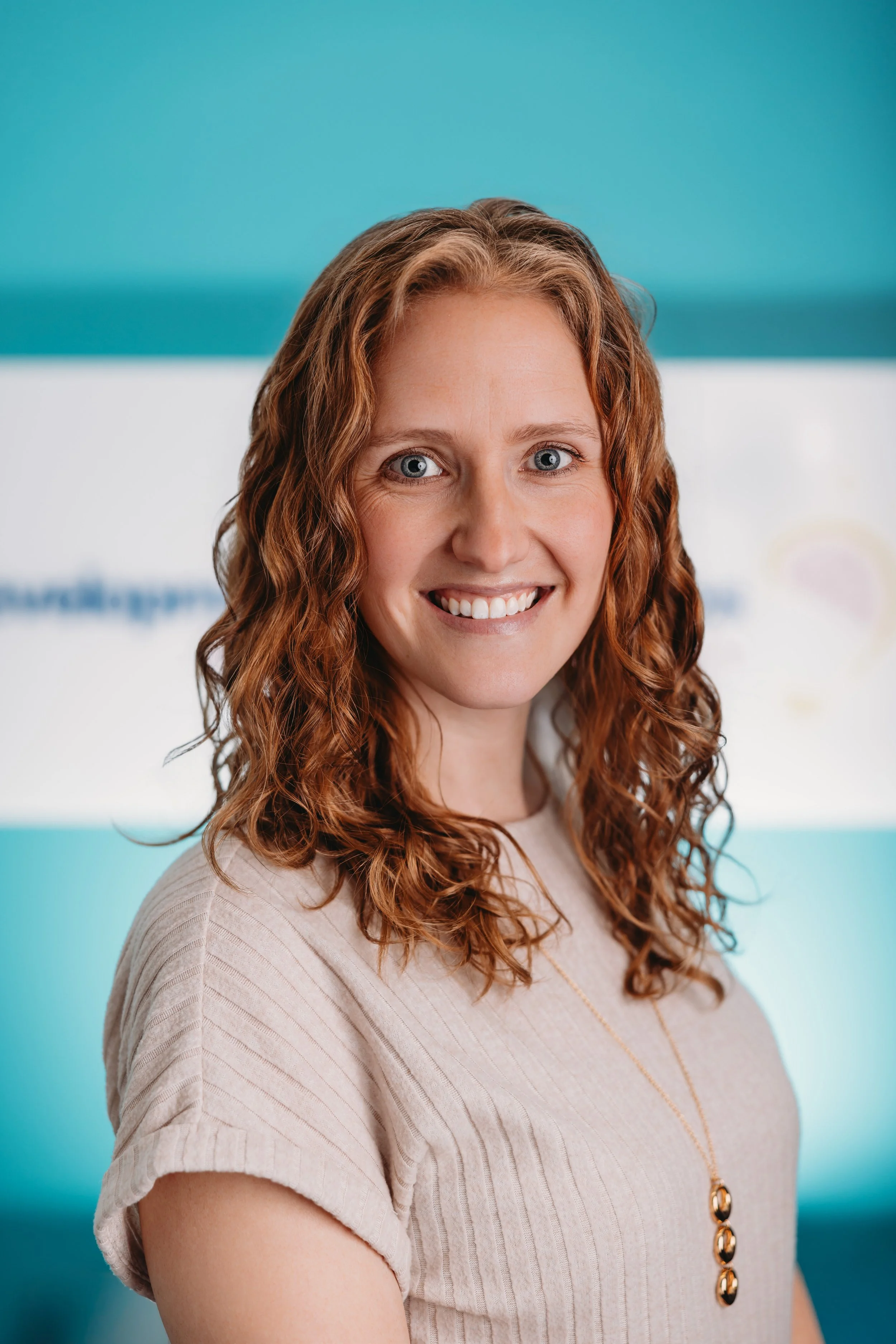
Dr. Jessica Lloyd
CLINICAL PSYCHOLOGIST
-
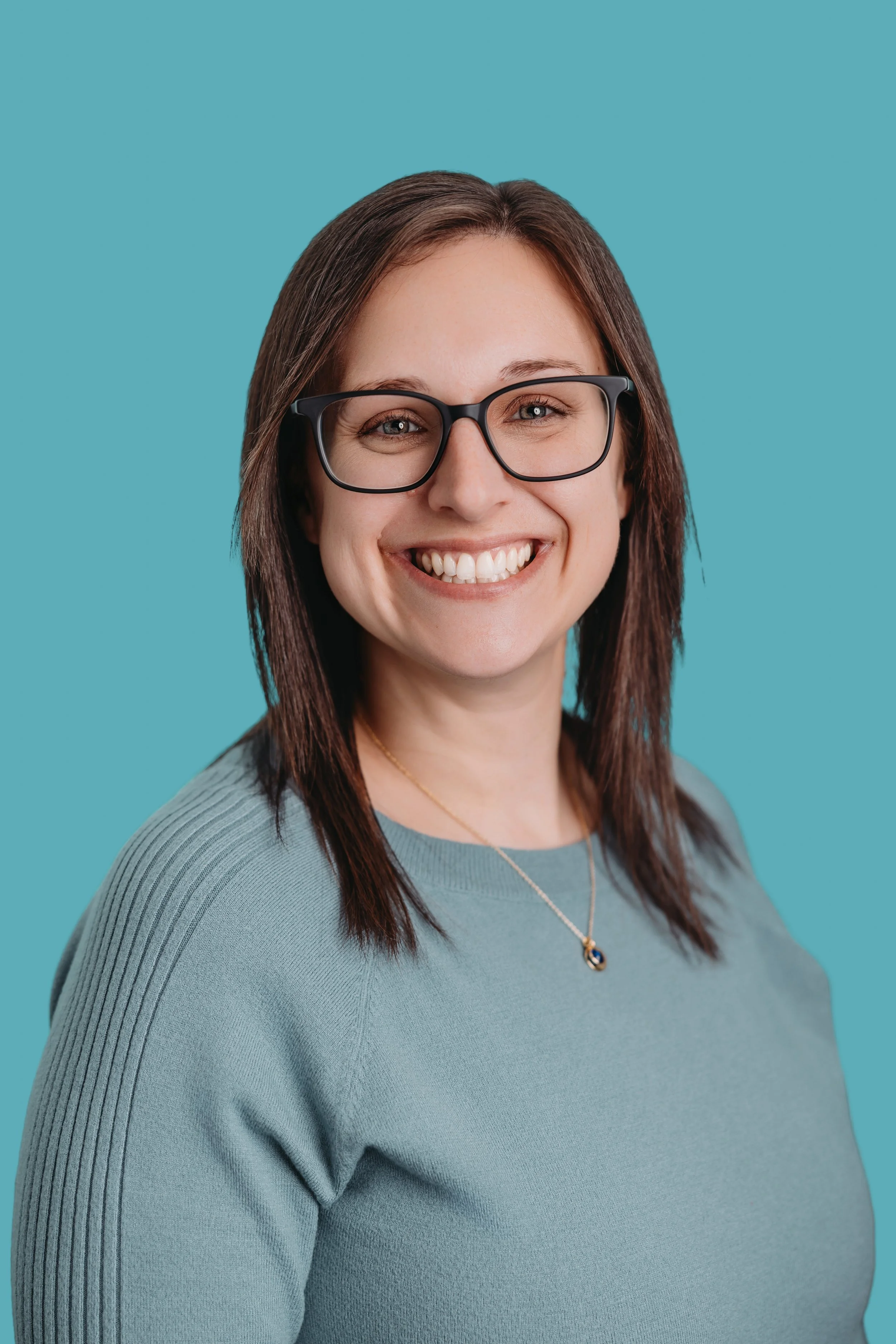
![]()
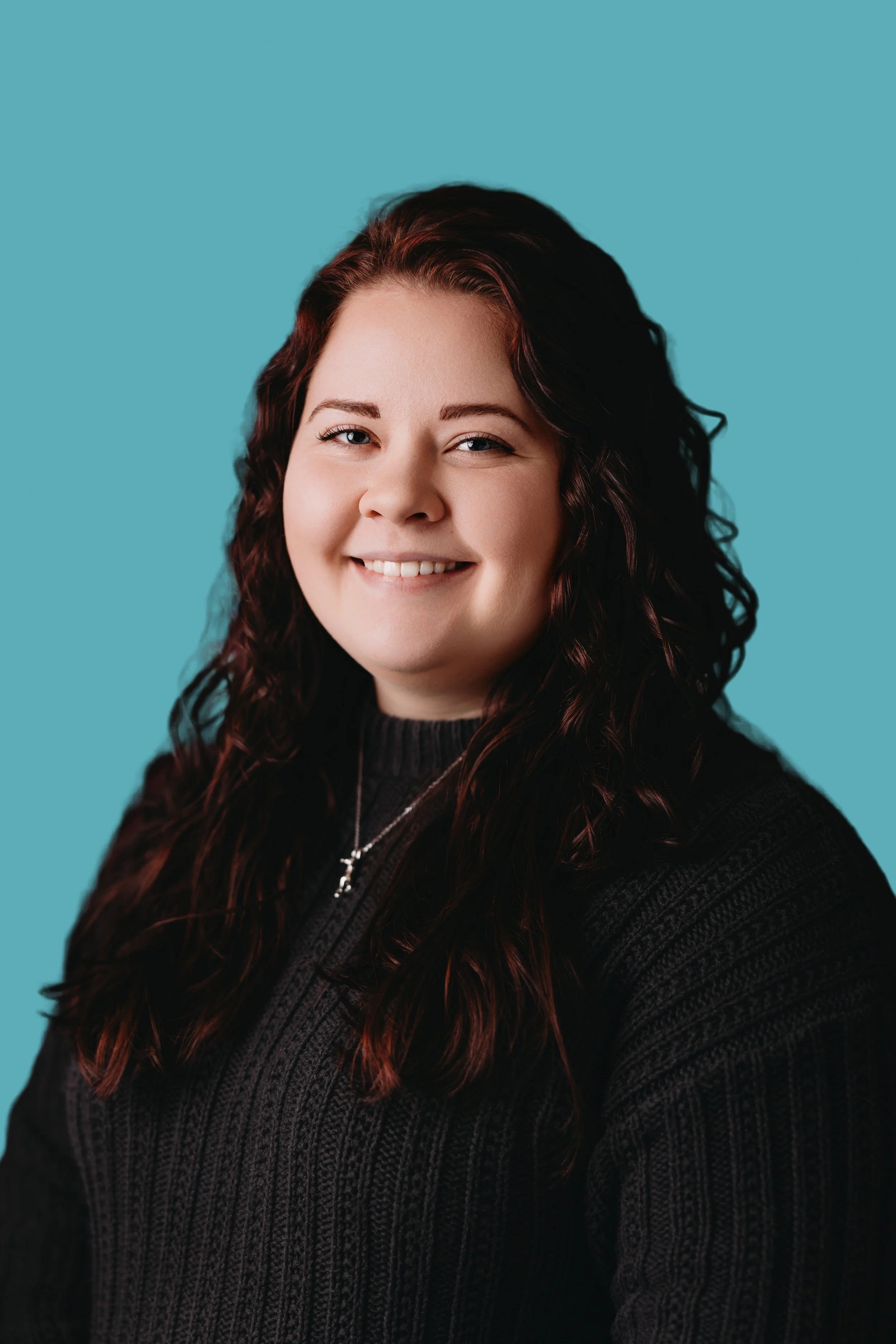
Dr. Sara Holtman
CLINICAL PSYCHOLOGIST
-
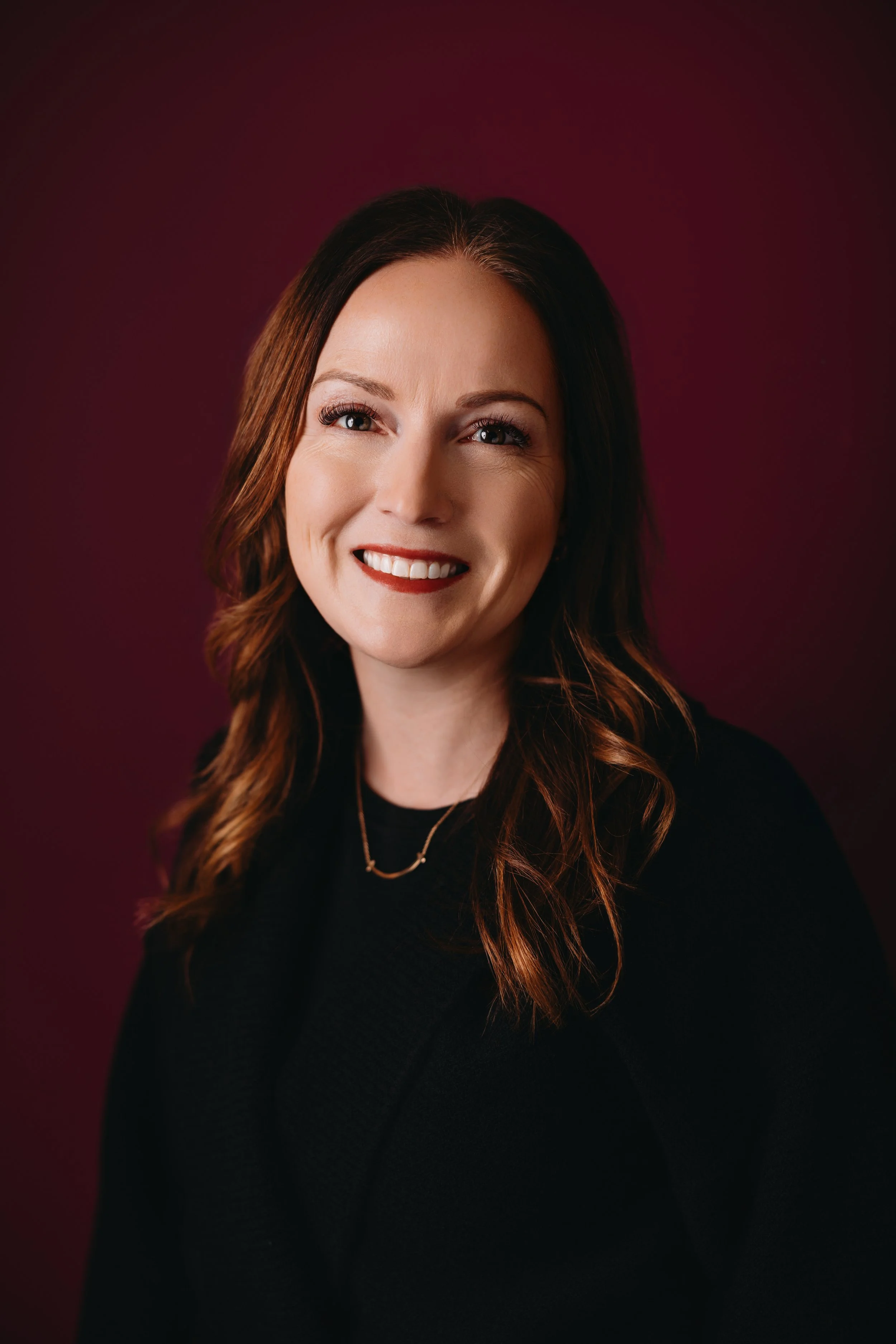
![]()
Dr. Katie Reger
Clinical Psychologist
-
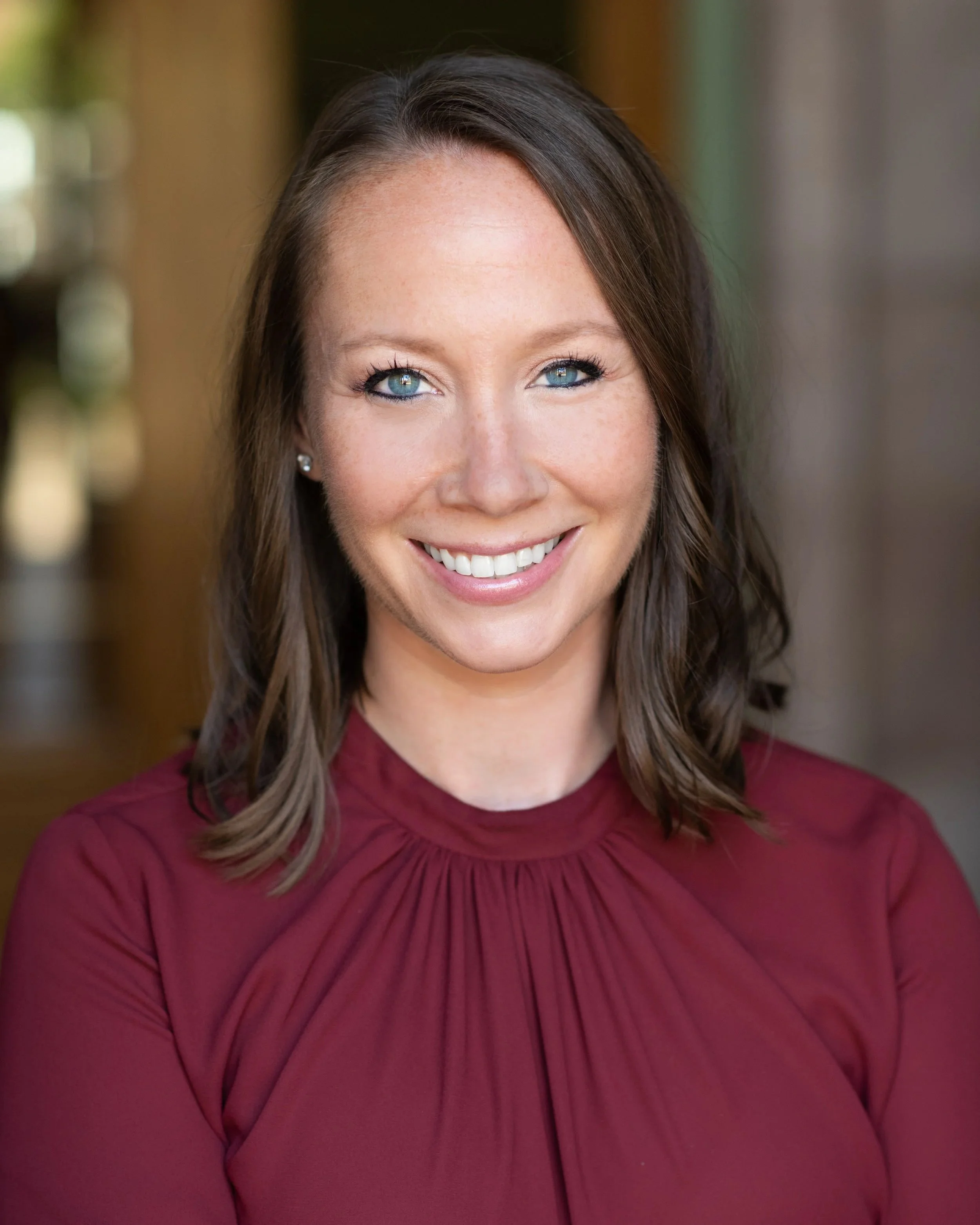
![]()
Rachel Boettcher
EARLY CHILDHOOD SPECIALIST
-
![]()
Caitlin Reed
OFFICE MANAGER
-
![]()
Meg Rothberg
OFFICE ASSISTANT
Payment Info
-
Forms of Payment
We accept funds from pre-tax accounts for healthcare expenses, such as a Heath Savings Account, Flexible Savings Account, or Health Reimbursement Account (HSA/FSA/HRA) debit cards. Major credit cards, cash, and checks are welcomed.
-
We are out-of-network for all insurance plans. You may be able to get partial reimbursement for your child's evaluation by submitting an in-depth receipt (called a "superbill") to your insurance company, which we will provide. The superbill is provided at the same time as your child’s evaluation report, within 2 weeks of parent feedback.
-
Find out what your insurance will reimburse
Contact your insurance and ask about "Out-of-Network Coverage" for a neuropsychological evaluation:
Ask: What are my out-of-network benefits? How much is my deductible? After I meet my deductible, what percentage of the visit cost will I be reimbursed for?
Ask: Up to how much can I be reimbursed for:
60-minute intake appointment (CPT Code 90791)
Neuropsychological Testing (CPT Code 96136 for the first 30 minutes, CPT Code 96137 for each additional 30 min)
Neuropsychological Services (CPT Code 96132 or the first 60 minutes, CPT Code 96133 for each additional hour)
Ask: How do I submit a claim with the receipt my doctor gave me?
-
We require a $350 deposit at the time of booking to hold appointments. Your appointments are very important to us. When you book an appointment, you are holding a place on the schedule that is no longer available to other families.
If you need to cancel your scheduled appointments, we respectfully request that you provide us with a minimum of 1 week notice (5 business days), at which time we would be happy to provide a full refund of your deposit.
Any cancellations made within 1 week (5 business days) will not be eligible to receive a refund.
We do not provide services to collect payment, rather, we collect payment so that we can continue to provide services. We appreciate your business!
-
Frequently Asked Questions
-
If you answer ‘yes’ to any of these questions, then now is a good time for an evaluation:
Do you feel like you are ‘spinning your wheels’ as a parent, unsure what else to do to support your child?
Do you question if there is a developmental difference that might explain your child’s challenges?
Have you spent too many hours Googling for answers?
Is your child expressing negative thoughts or feelings about themselves?
Are your child’s behaviors taking over family life and causing relationships to feel strained?
Has your child’s teacher expressed concerns or suggested follow-up with your family doctor?
Is your child struggling with social interactions, schoolwork, attention, impulse control, language development, motor skills, or sensory processing?
Did your child experience a troubling event or series of traumatic circumstances that may have impacted their functioning?
-
Families schedule a series of 4 appointments: A 1.5-hour intake appointment, 2, 2.5-hour testing appointments, and a feedback session (1-1.5 hours). Many children are also scheduled for their own 30-minute feedback session.
For younger children (~4-5 & under), one of the testing appointments is used for observation in another setting (e.g., home, daycare, or school)
Our administrative staff will help to get your appointments set up in an efficient manner that works for your family.
-
Our psychologists typically spend 14-16 hours per evaluation. This includes:
Clinical time spent with the child and family completing interviews
Consulting with and interviewing other important people in the child’s life (e.g. therapists, teachers, caregivers)
Administering tests, scoring, interpreting data
Reviewing records
Completing a feedback session with caregivers and (in most cases) the child
The ‘product’ of an evaluation is a comprehensive, detailed report that covers background information, our observations, results of testing, a summary section that ‘ties it all together,’ and recommendations for ‘next steps’ to best support your child. We pride ourselves on reader-friendly, humanized, thorough reports that help communicate your child’s strengths and needs to other providers, teachers, and caregivers
-
We see toddlers through college-age adults for evaluations.
We do not see adults (22+) for evaluations.
-
-
The short answer is ‘yes.’ Ideally, your child should be assessed by an evaluator who is bilingual and speaks the language used in the immersion program.
Bilingual evaluations are difficult to find or not available. As a result, we do our best to provide a thorough evaluation to help answer questions about your child’s development with the tools and information we have.
While we cannot test the child in their immersion language, we can learn about their level of language functioning, learn about their phonological processing skills, and collect information from their teacher about their reading skills compared to peers in the immersion program. We can also rule out other contributing factors that might cause learning difficulties.
Much of the time, we can draw conclusions about whether or not your child has dyslexia and, either way, we can make individualized recommendations.
-
We take privacy seriously, as it is your right. Developmental Discoveries is committed to upholding industry and ethical standards related to Patient Health Information (PHI). In compliance with HIPAA guidelines, it is our policy not to release any Private Health Information about patients to any outside person or organization without the written consent of a parent or legal guardian.
-
You can be seen sooner and receive your report faster. When shopping around, ask about wait times.
No matter where you go, it maybe be helpful to know that insurance does not typically cover ADHD testing, giftedness evaluations, or learning disability assessment.
Insurance reimburses less and less year over year and/or approves fewer hours (and costs of materials/rent/living increase yearly). AND insurance can demand the money back if you don’t give a diagnosis they cover. I can’t begin to tell you the ethical issues I’ve seen in this regard. It takes hiring a full-time person to manage, which further increases costs.
To make it in business with insurance typically means increasing quantity significantly (losing quality and time spent per family) or being part of a large system (university or hospital system) that can afford to take the loss.
We can choose the tests we believe are necessary (without insurance approval).
We do what is best for your child: We can provide more than what is ‘medically necessary’ based on insurance guidelines. This means that we can spend more time interviewing, play on the floor with your child, or even watch how they interact at daycare if needed. These opportunities provide rich information but are not covered by insurance due to ‘lack of medical necessity.’
You manage your information: You can decide who accesses your medical information.
-
If your child is experiencing any major symptoms of illness, including fever, cough, or difficulty breathing, we kindly ask that you contact us as soon as possible so we can reschedule your appointment(s). For the safety of others, we ask that children be kept at home until they are 24 hours fever-free, and feeling generally well. This will help prevent the spread of illness, and allow for accurate testing.
-
If it has been 2 years or more, we can provide a follow-up evaluation to monitor your child’s progress and update recommendations.
If it has been less than 2 years and you would like a second opinion or additional testing, we will schedule a 1-session evaluation.
Examples:
If you are unsure of previous evaluations results, we are happy to provide a second opinion. We can also add on to what other providers have already done. For example, your child’s previous evalution might have resulted in a ‘provisional’ or ‘rule out’ diagnosis if the provider was still unsure if a certain diagnosis was appropriate. We can provide follow-up assessment to provide diagnostic clarity.
If you disagreed with previous evaluation results and would like us to give a second opinion, we can do that.
If another provider suspected autism but did not feel confident in assessing for or making an autism diagnosis, we would be happy to add this piece to your child’s evaluation.
If your child’s evaluation was completed through school, we can incorporate & add to the school’s testing results to create a comprehensive evaluation. We will not repeat the testing that was done recently. Schools evaluate a child to determine if they qualify for school-based services. Our evaluations have a clinical focus and typically result in a diagnosis. We also provide recommendations and referrals for school & other clinical services.
-
-
2e stands for “twice exceptional.” Twice exceptional individuals are gifted, meaning that they have extraordinarily high cognitive abilities in one or more areas.
Gifted individuals are “twice exceptional” if they also have a developmental disability, such as ADHD, a learning disorder, or autism. These developmental disabilities occur at all levels of cognitive functioning, including cognitively gifted children.
The way these developmental disabilities present in gifted children can vary from the “classic” presentation and may be subtler in presentation (yet still distressing or impairing).
We have extensive experience in working with and understanding twice exceptional children.
-
